How to Establish a Successful Freelance Editing Business
by Susan Hughes
I retired from teaching after 29 years and was working at a local women’s shelter
when a friend sent me a copy of his debut novel.
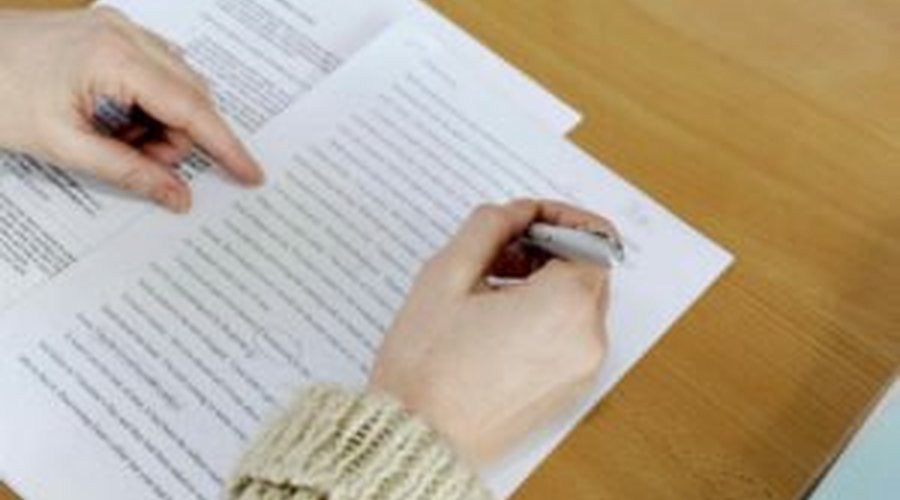
I read the first chapter and got so distracted by the mechanical errors that I offered to proofread the whole thing for him.
I have a degree in English and love to write, so I had fun marking up his manuscript. When I finished, he was impressed and said, “You know, you could make some money doing this. You should look into it.”
How Editing One Manuscript for Free Led to a Freelance Editing Second Career
I did some research and decided to give it a go in 2012. For a while, I managed to continue working at the shelter part-time while juggling editing jobs here and there. Then I had to make a choice—and I chose editing.
I’ve edited fiction and nonfiction manuscripts, pre-submission articles for the Huffington Post and Fox News Online, and research reports for a local school district. I’ve done copy editing for Addison Magazine, and I’ve done tons of proofreading.
I never planned to have a second full-time career, but here I am. If I can do it, you can too. (Did you know you no longer need a comma before the word “too” in most cases? A professional editor will stay on top of those little changes for you.)
My Most Lucrative Type of Editing Project
I don’t have a niche when it comes to editing. I enjoy the opportunity to work on a wide variety of manuscripts and don’t want to limit myself.
On that same note, I wouldn’t hesitate to tell a client that I’m not comfortable editing their work. That has happened only once, when the manuscript contained technical scientific information that was beyond my scope of knowledge.
Most of my work at the moment is editing full-length fiction manuscripts. It is by far the most lucrative part of my job, because it takes time to get through the manuscript, and I charge by the hour.
7 Steps to Establishing a Legitimate Freelance Editing Business
1. Build a Website
With the huge number of indie authors who are now self-publishing, there is plenty of editing and proofreading work if you know how to find it. I did a lot of Google searching and decided to start by building a website. I have a friend who does web design, and he created and still maintains my website.
Clients need somewhere they can go to learn more about you. They want to know that you’re legit. There are lots of scammers out there, and indie authors are often taken advantage of. You have to prove that you’re the real deal.
2. Get Professional Photos
The next thing I did was find a photographer to take my headshot photos. It wasn’t cheap, but it’s important to build a professional image or brand. I also set up a business email address.
3. Join a Professional Organization
To add to that, I joined the Editorial Freelancers Association (EFA). I figured the annual cost of membership ($145) was worth it, considering the wealth of information the association provides, including job postings, editing rates guidelines, templates for contracts and other documents, webinars to help sharpen your skills, etc.
Later, I joined the American Copy Editors Society (ACES) as well. Being a member of these organizations paid off. Much of my work, including my first magazine editing job with Addison Magazine, came from clients reaching out after finding my profile through one of these groups.
4. Set Up Social Media Profiles
Next, I headed to social media. I set up a business Facebook page and a Twitter profile. I have dabbled with Instagram and Pinterest, but there’s not enough time in my day to work them all efficiently. My focus is Twitter, where there are tons of writers and readers.
It was a slow process, but I built my followers list by retweeting and interacting with people. In fact, Twitter is where I met Colleen, who so kindly offered to feature me here!
It takes work and time, but it has paid off for me. A large number of my clients find me via social media, either directly or through word of mouth referrals.
Susan’s logo.
5. Develop a Logo
Eventually, I felt the need for a logo. I tried to create my own but ended up hiring someone to help me. I’m so glad I did.
At this point in my editing career, I have a number of repeat clients. In fact, they keep me so busy that it’s difficult to fit new clients into my schedule. I schedule edits up to one year in advance, which allows my clients the freedom to write without worrying about whether or not I’ll be available when they’re ready. Being a freelancer is nice, because I can decide when I want to work and schedule edits around vacations, visits from my grandsons, and other events.
6. Make Sure You Have the Right Tools
I use Word’s Track Changes feature for my edits. It’s easy to use, and I’m comfortable with it. Now clients are starting to send me work using Google Docs. I’ve had to up my game a bit to keep up with the changes in technology.
And speaking of technology, be sure you have a laptop or tablet you’re comfortable with and can rely on. I can take my work anywhere, which is a great perk.
I also highly recommend a few other items. I have online annual subscriptions to The Chicago Manual of Style and the AP Stylebook. You’ll need them as a reference, whether you’re editing, proofreading, or writing. I also have an online Adobe membership that gives me the ability to edit PDFs. I use it frequently when doing magazine work.
7. Do the Work
The work came in slowly at first. It seems like the more work I did, the more work I got.
I started with my rates a little lower than those recommended by the EFA. But the busier I got, the more valuable my time seemed to be. I raised my rates, and most people were willing to pay them.
It takes time to build your reputation, but I was determined to make mine a stellar one. I think it’s important to charge what you’re worth.
How I Actually Set Up Editing Jobs with Clients
So, here’s how it works…
When someone contacts me about editing, I send them to my website to read about my rates and learn more about me. If they want a quote for services, I require the total word count of the manuscript and have them submit a 1,000 word sample for a free edit. This gives me a feel for their writing skills and helps me decide how many hours it will take to complete the job. It also gives writers the opportunity to see what I do and to get a feel for whether or not I’m a good fit for them.
If the client looks over the sample edit and asks for a quote for my services, I provide it at that time, along with my next available start date. I ask for a $200 deposit to reserve the editing time, and we go from there. I require half the total before I begin, and the balance must be paid in full before I return the edit.
Clients can spread the payments out as long as they need to, as long as they understand that I don’t return the work until the final payment is made.
It’s Important to Stand Out from the Competition
If you want clients to keep coming back, you have to make yourself stand out from the competition. If I had to choose one thing I do that makes a difference, I’d say it’s my communication skills.
As a former teacher, I try to explain what I’m doing by commenting frequently in the edit. I feel that writers deserve to know why I make the changes I do. Most writers have little errors that they make repeatedly. If I can explain how to avoid those, it helps improve the writer’s manuscript and their overall writing skills. I also offer writing suggestions that clients can use in their entirety or in part.
Sometimes people ask how I can be an editor if I haven’t published a book of my own. I firmly believe that the writer and the editor are two separate beings. The writer is the storyteller, the creative part of the process. The editor is the mechanic, tweaking and polishing until the manuscript purrs like a well-oiled machine. It takes both the storyteller and the mechanic to get the job done well.
And actually, I have been published. I’ve been selected twice to write booklets for freelance editors. They were published by the EFA and are available via Lulu Press and from the EFA website. They would be helpful for those just getting started as freelance editors or proofreaders. I’ve provided links to them for those who might be interested.
My EFA booklets.
Why I Branched Out Into Offering Social Media Services
Since I began my editing business in 2012, I have branched out to include social media marketing for my clients. I help promote their published work, their businesses, their websites, and blogs for three months after the edit is complete.
I do this via my business Facebook page, Twitter, and LinkedIn. I am learning how to create short videos for content marketing, and I try to design one for each client after they publish their work. For clients who reciprocate and promote my business in a similar manner, I often continue to promote them long after the three-month period is up. It’s a win-win for all of us.
Advice for a Young Writer: Dive In and Get Started
I have contact with so many writers. Many of them want to make a living as a writer or dream of that big film contract. My advice is to dive in and get started. Get your feet wet. Never stop learning and improving your skills.
Also, surround yourself with a team of people you can trust. Writers need beta readers and critique partners. Seek out like-minded people and get new ideas.
And when it’s time to do so, find a professional editor who will help you polish your work without changing your voice or your intent. Be wary of those who work for little pay and seem to be available at a moment’s notice. If they’re good at what they do, you’ll have to spend some money to hire them, and you will probably have to wait a bit.
It’s worth it. You’re worth it.
* * *
Susan Hughes is a freelance editor and proofreader, skilled in both fiction and nonfiction, corporate publications, essays, and articles. She is a copy editor for Addison Magazine and a member of the Editorial Freelancers Association (EFA) and the American Copy Editors Society (ACES).
Susan has a BA in English Literature and spent twenty-nine years as a high school teacher before embarking on her editing career. In her spare time, she loves to travel and spend time with her grandsons. She is also a certified melanoma educator and survivor who works to spread the word about this deadly disease and the importance of regular skin checks and sunscreen use.
Susan and her husband live in Friendswood, Texas, with their two dogs and two rescued cats. For more information about Susan and her work, please see her website and LinkedIn profile, or connect with her on Facebook and Twitter. She also supplies articles on freelancing at Lulu.com.